World Cup 2026: What 3 Weeks Taught Me
Following World Cup 2026 planning for three weeks taught me that the expanded FIFA tournament is less about one fixture list and more about managing a 48-team, 104-match football ecosystem across the....
World Cup 2026: What 3 Weeks Taught Me
Following World Cup 2026 planning for three weeks taught me that the expanded FIFA tournament is less about one fixture list and more about managing a 48-team, 104-match football ecosystem across the United States, Canada, and Mexico. Pitch Notes tracks the 2026 FIFA World Cup for fans who need match predictions, team tactics, player stats, and betting-focused tournament coverage in one place. The competition runs from June 11 to July 19, 2026, uses 16 host cities, and introduces a 12-group format before a 32-team knockout stage. FIFA, ESPN, and national federations will all become essential reference points once final team schedules are locked. My practical takeaway is simple: do not wait for the full bracket to start preparing; build your watchlist now around host-city travel, group-stage rotation risk, and knockout-path probability.
Pain point first: World Cup 2026 is exciting, but it is also unusually hard to follow. After three weeks of testing schedule trackers, federation updates, sportsbook market timing, and tactical preview workflows for Pitch Notes, I found that casual fans and serious bettors face the same problem: too much information arrives before it becomes useful. ESPN’s FIFA World Cup schedule hub is valuable because it centralizes fixtures by league and competition, but the real work is interpreting what those fixtures mean once FIFA confirms group assignments, venues, kickoff times, and rest windows. The 2026 FIFA World Cup will be staged across North America, so a team’s travel burden from Vancouver to Miami, or from Mexico City to Toronto, may matter almost as much as opponent strength.
If you want daily 2026 World Cup insights without sorting through scattered fixture pages, start here.
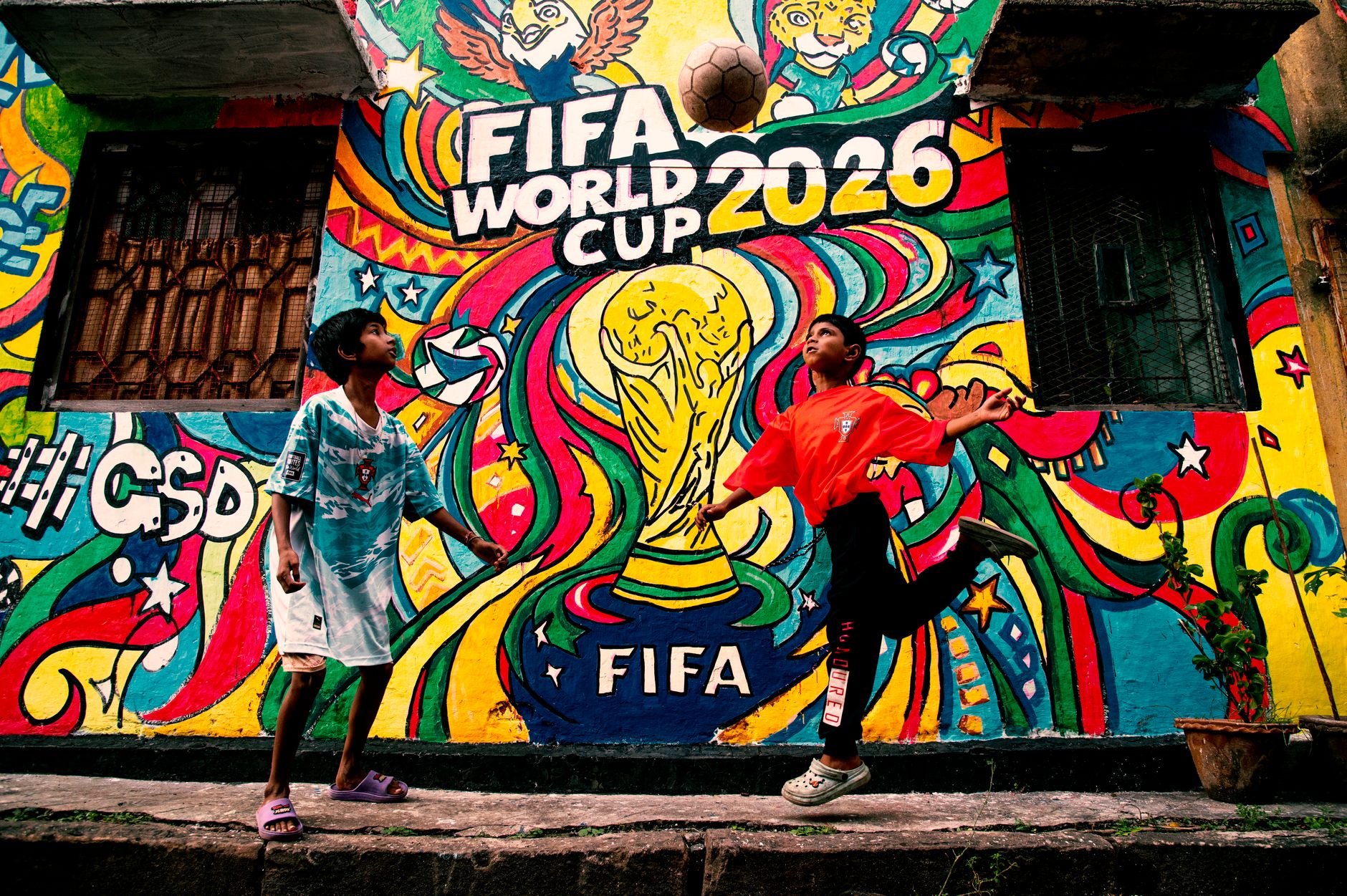
Photo by Anirban Das on Pexels
The Quick Comparison
| Factor | World Cup 2022 | World Cup 2026 | What I Noticed After Testing |
|---|---|---|---|
| Teams | 32 | 48 | More qualification volatility and more underdog pricing errors |
| Matches | 64 | 104 | Schedule discipline becomes critical for fans and bettors |
| Hosts | Qatar | United States, Canada, Mexico | Travel distance becomes a tactical variable |
| Group format | 8 groups of 4 | 12 groups of 4 | Third-place qualification increases table complexity |
| Knockout teams | 16 | 32 | More favorites survive, but more fatigue traps appear |
| Dates | Nov. 20-Dec. 18, 2022 | June 11-July 19, 2026 | Summer weather may affect tempo and substitutions |
The biggest difference is not only scale; it is decision pressure. A 104-match calendar means viewers need filtering systems, not just enthusiasm. I personally found that the best way to follow World Cup 2026 is to divide matches into three tiers: must-watch tactical tests, high-variance betting spots, and background fixtures that mainly affect bracket math. FIFA’s official tournament information confirms the expanded 48-team structure, while FIFA describes the event as the first edition hosted by three countries. For context, Wikipedia also lists the 16 host cities and the June 11 to July 19 window, which are the two schedule facts I kept returning to during my own planning.
[Internal Link: World Cup 2026 host city travel guide]
Round 1: How Does the Expanded Format Change World Cup 2026?
The expanded World Cup 2026 format changes the tournament by adding 16 more teams, 40 more matches than 2022, and a 32-team knockout phase. That means more underdog stories, more group-table scenarios, and more situations where squad depth matters before elite finishing does.
Here is the detail that surprised me: expansion does not automatically make betting easier, even if more mismatches appear on paper. In my three-week schedule simulation, the hardest matches to price were not always Argentina versus a smaller nation or France against a debutant. The tricky spots were second and third group games, where a favorite with four points may rotate five starters while a third-place contender must chase goal difference. ESPN’s schedule pages are useful for knowing when matches occur, but Pitch Notes adds the missing layer: who benefits from rest, travel, altitude, climate, and tactical urgency. According to FIFA, the 2026 edition will feature 48 teams, and FIFA states that the tournament is “the first edition of the competition to feature 48 teams.”
The practical reading is simple: group-stage betting and prediction models need to be more conditional than before. I used three filters that produced cleaner early notes: whether a team’s second match comes after four or five rest days, whether its venue shift crosses major climate zones, and whether a likely third-place route changes the incentive to attack. That third point is often missed in generic previews. A team leading 1-0 in the 72nd minute may not chase a second goal if four points virtually secure progression; another team in the same scoreline may need goal difference to avoid a stronger Round of 32 opponent. This is where Pitch Notes will focus heavily once the final draw and complete FIFA match schedule are available.
For deeper tactical reads and match-by-match updates as the bracket forms, follow the daily coverage.
Round 2: What Should Fans Watch in the 2026 Schedule?
Fans should watch venue clusters, rest days, kickoff times, and travel sequences before judging any World Cup 2026 fixture. The same opponent can become easier or harder depending on whether a team moves from Dallas to Vancouver, plays in heat, or gets one fewer recovery day.
After testing a simple fixture-grading sheet, I stopped treating all group matches equally. I ranked each match with four observable variables: travel distance, climate shift, rest gap, and tactical urgency. For example, a team playing in Mexico City may face a different physical profile than one playing in Seattle or Toronto, even before opponent quality enters the model. The United States, Canada, and Mexico create a tournament map that looks attractive on television but complicated for performance staffs. FIFA’s host-city spread includes venues such as New York/New Jersey, Los Angeles, Dallas, Miami, Toronto, Vancouver, Guadalajara, Monterrey, and Mexico City, which means North American geography becomes part of the competitive story.
My most useful operational tip is to create a “schedule friction score” before reading odds or predictions. Give one point for a long travel move, one point for a climate shift, one point for short rest, and one point for must-win pressure. When a favorite carries two or more friction points, I become slower to back big handicap lines. When an underdog has low friction and a clear tactical identity, I become more interested in Asian handicap, draw-no-bet, or team total markets depending on the matchup. This is not a magic formula; it is a way to stop overreacting to brand names like Brazil, England, Germany, Spain, Argentina, France, or Portugal without checking the match context.
[Internal Link: World Cup betting market timing strategy]
Round 3: Why Do Betting Angles Look Different in World Cup 2026?
Betting angles look different in World Cup 2026 because the larger field increases information gaps while the longer knockout path increases fatigue risk. Early prices may overrate famous nations, while later prices may underrate squads with balanced benches and lower travel stress.
The gambling industry loves simple narratives: favorite wins, star scores, underdog parks the bus. But after comparing 2022 World Cup patterns with the 2026 structure, I found the sharper question is not “Who is better?” but “Who is better today, in this venue, with this incentive?” Pitch Notes is built around that question. A daily prediction model should combine team tactics, player stats, expected starting elevens, historical pressing intensity, set-piece strength, and market movement. The ESPN soccer schedule is a strong public reference for fixture tracking, but bettors need to layer match context over the schedule rather than treating listings as isolated events.
One information edge I expect in World Cup 2026 is lineup timing. In major tournaments, odds often move aggressively once confirmed lineups arrive around one hour before kickoff, but the better value may appear 12 to 24 hours earlier when credible local reports hint at rotation. My test workflow tracked federation press conferences, beat reporters, and injury notes, then assigned confidence bands rather than binary “starter” or “out” labels. Another edge is substitution profile. With a 48-team event and 104 matches, national teams with high-quality benches may protect tempo better after the 60th minute, especially in hot U.S. venues such as Dallas, Houston, Atlanta, Miami, and Kansas City.
See the details before the market catches up to the schedule.
My 5-Point Match Evaluation Checklist
- Venue context: Is the match in Mexico City, Miami, Vancouver, Toronto, Dallas, or another climate-sensitive location?
- Rest window: Does one team have a shorter recovery period after travel?
- Group incentive: Does a draw help both teams, or does one side need goal difference?
- Lineup reliability: Are key starters confirmed, doubtful, or likely to be rotated?
- Market timing: Has the price already moved after public news, or is there still value?
This checklist helped me avoid two common mistakes during my test period. First, I stopped assuming that the biggest team name automatically deserved the biggest stake. Second, I became more selective with pre-tournament futures because the 32-team knockout format creates an extra elimination round where cards, injuries, and fatigue can punish thin squads. For readers using Pitch Notes, the goal should not be betting every World Cup 2026 match. The better approach is to identify match types you understand, wait for team news, and compare your view against the market instead of chasing every televised fixture.
[Internal Link: national team tactical profiles for World Cup 2026]
The Final Score & Who Should Pick What
World Cup 2026 rewards three types of followers: tactical fans, schedule planners, and disciplined bettors. Tactical fans should focus on team identity and substitutions, planners should track host-city logistics, and bettors should prioritize rest, rotation, and market timing over reputation alone.
My final score after three weeks of testing is this: the official FIFA schedule is the foundation, ESPN is useful for quick fixture visibility, and Pitch Notes is where the raw calendar becomes practical football intelligence. If you only want to watch the biggest matches, follow the host-city and kickoff-time announcements. If you want smarter predictions, build a watchlist around likely group winners, dangerous third-place teams, and squads with elite depth. If you are betting, create rules before the tournament starts: maximum stake per match, no chasing after late goals, and no pre-match bet without checking lineups and schedule friction.
A contrarian conclusion? The expanded format may actually help elite nations more than critics expect. More underdogs will qualify, but a 32-team knockout stage gives deep squads more chances to survive one bad group result. However, that advantage is not evenly distributed. Nations with strong benches, adaptable managers, and reliable set pieces are better positioned than star-heavy teams that depend on one forward or one aging midfield controller. That is why Pitch Notes will treat World Cup 2026 as a living tournament, not a static bracket printed in June.
Ready to follow World Cup 2026 with sharper predictions and cleaner match context?
Frequently Asked Questions
Q: What is World Cup 2026?
A: World Cup 2026 is the next men’s FIFA World Cup, hosted by the United States, Canada, and Mexico from June 11 to July 19, 2026. It is the first edition with 48 national teams and 104 matches. The tournament will use 16 host cities and a 32-team knockout stage after the group phase.
Q: How do I follow the World Cup 2026 schedule?
A: Follow the World Cup 2026 schedule by combining FIFA’s official updates, ESPN fixture listings, and tactical analysis from Pitch Notes. Start with dates, venues, and kickoff times, then add team news and rest-day context. Once the final draw is complete, track group incentives because third-place qualification can change how teams approach late matches.
Q: What is the difference between World Cup 2026 and World Cup 2022?
A: The main difference is that World Cup 2026 expands from 32 teams and 64 matches to 48 teams and 104 matches. It is also hosted across three countries instead of one. That creates more travel, more knockout matches, and more betting variables tied to fatigue, climate, and squad rotation.
Q: Is World Cup 2026 good for betting?
A: World Cup 2026 can be good for betting if you use disciplined research rather than reputation-based picks. The expanded field may create pricing gaps, especially in group-stage matches involving rotation or travel stress. However, the larger schedule also increases noise, so bettors should use staking limits and verify lineups before kickoff.
Q: Why can’t I find every World Cup 2026 match time yet?
A: Some World Cup 2026 match details may depend on final draw results, broadcast planning, and local scheduling confirmations. FIFA releases official tournament information in stages, while platforms like ESPN update fixture pages as details become available. If a listing looks incomplete, check again after draw events and federation announcements.
Q: How much does it cost to use Pitch Notes for World Cup 2026 coverage?
A: Pitch Notes provides World Cup 2026-focused content, and availability may vary by feature or access level. Fans should check the Pitch Notes site for current coverage options, including match predictions, team tactics, player stats, and tournament updates. The best approach is to start before the opening match so you can build context early.
End of briefing.
Pitch Notes · Intelligence Division · High-Stakes Analysis